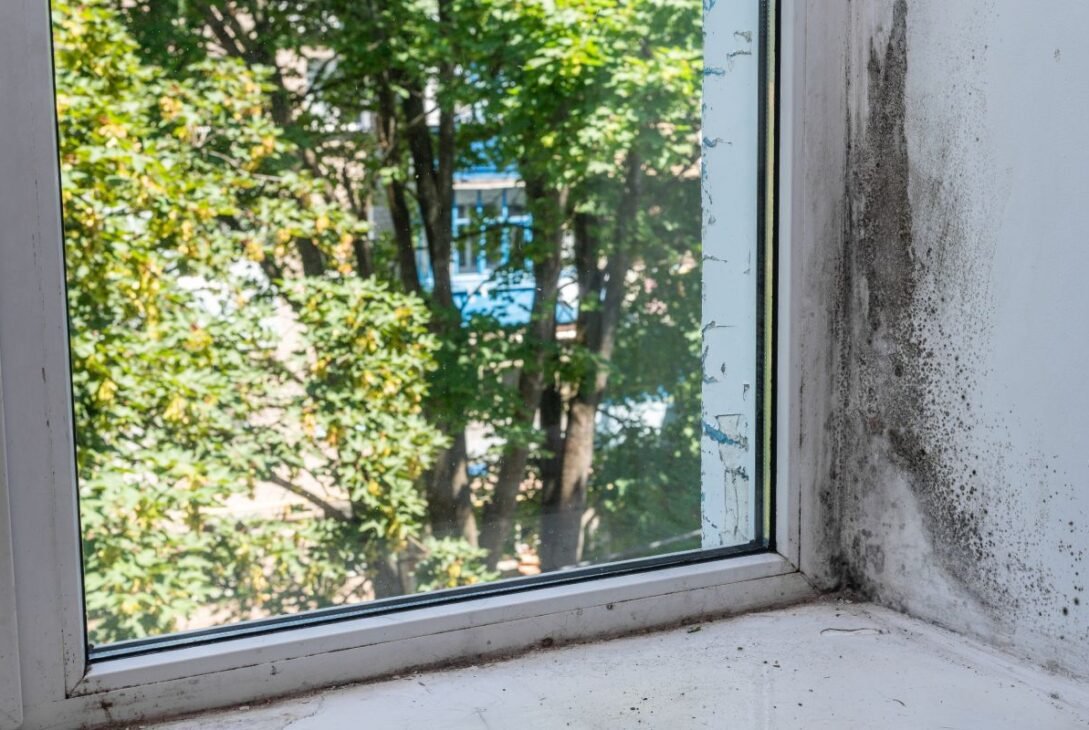
Mould is a common household problem that can develop in bathrooms, kitchens, bedrooms, laundries and other areas where moisture is present. It often appears as dark, green or white patches on walls, ceilings, furniture and other surfaces. In some cases, mould may also produce a musty smell before visible growth becomes obvious.
Australia’s varied climate means that homes can experience different moisture challenges. Humid weather, heavy rainfall, poor ventilation and building leaks can all contribute to mould growth.
Although mould may seem like a minor cleaning issue, it should not be ignored. Understanding why it develops and how to control moisture can help homeowners maintain a healthier indoor environment.
What Causes Mould to Grow Indoors?
Mould is a type of fungus that produces spores and can grow on many different materials when suitable conditions are present.
The most important factor is moisture. Mould can develop when surfaces remain damp, when humidity is high or when water enters building materials through leaks.
Common sources of indoor moisture include:
- Leaking roofs and plumbing
- Water entering through damaged walls or windows
- Condensation on cold surfaces
- Poor ventilation in bathrooms and kitchens
- Wet clothes drying indoors
- Flooding or previous water damage
- Damp carpets, furniture and building materials
Mould may also develop in places that receive little airflow, such as behind wardrobes, inside cupboards and around furniture positioned against external walls.
Finding the moisture source is essential. Cleaning visible mould without addressing the underlying dampness may only provide a temporary result.
Common Areas Where Mould Develops
Some parts of a home are more vulnerable because they regularly produce moisture or have limited ventilation.
- Bathrooms: Showering and bathing release moisture into the air. Without adequate ventilation, condensation can collect on ceilings, walls, grout and window frames.
- Kitchens: Cooking produces steam, particularly when boiling water or using uncovered pots. Rangehoods and suitable ventilation help remove excess moisture.
- Laundries: Washing machines and indoor clothes drying can increase humidity. Poorly ventilated laundry rooms may remain damp for extended periods.
- Bedrooms: Condensation may form on windows and walls, especially in rooms with limited airflow or insufficient insulation.
- Storage areas: Cupboards, wardrobes and enclosed spaces can trap moisture. Items stored against damp walls may develop mould without being noticed immediately.
Regularly checking these areas can help homeowners identify early signs of mould before it spreads.
Potential Health Effects of Indoor Mould
Exposure to indoor mould can affect people differently. Some individuals may experience no noticeable symptoms, while others may be more sensitive.
The Australian Government advises that mould exposure may be associated with respiratory and allergic symptoms. These can include sneezing, a runny or blocked nose, coughing, wheezing and irritation of the eyes or skin.
People with asthma, allergies or certain existing respiratory conditions may be more vulnerable to the effects of mould exposure.
However, the impact depends on several factors, including the amount of mould, the duration of exposure and an individual’s health.
If someone experiences ongoing symptoms that may be related to mould in the home, they should seek advice from a healthcare professional. Removing the source of moisture and reducing exposure are important steps in managing the indoor environment.
How to Identify Mould in Your Home
Visible patches are the most obvious sign, but mould is not always easy to detect.
Look for discoloured areas on ceilings, walls, window frames, grout and furniture. Mould may appear black, green, grey or white, depending on the surface and conditions.
A persistent musty or earthy smell can also indicate hidden moisture or mould growth. Other warning signs include peeling paint, bubbling plaster, damp carpets and recurring condensation.
If mould repeatedly appears in the same location, investigate whether there is a leak, inadequate ventilation or another moisture source.
Avoid assuming that every dark stain is mould. If the cause is unclear or the affected area is extensive, a qualified building or mould professional may be able to assess the situation.
Practical Ways to Prevent Mould Growth
Preventing mould is mainly about controlling moisture and maintaining good airflow.
Improve Ventilation
Open windows and doors when weather conditions allow and outdoor air quality is suitable. Use exhaust fans in bathrooms and kitchens to remove moisture generated by showering and cooking.
Make sure fans are working correctly and are suitable for the room.
Fix Leaks Promptly
Repair leaking roofs, plumbing, windows and other building faults as soon as possible. Water entering walls or ceilings can create hidden damp areas that are difficult to dry.
Check gutters and downpipes regularly to help prevent rainwater from entering the building.
Reduce Indoor Condensation
Wipe excess condensation from windows and other surfaces. Use exhaust fans when showering or cooking and avoid allowing damp areas to remain wet for long periods.
Where appropriate, improve insulation or investigate building issues that cause surfaces to become unusually cold.
Keep Rooms and Storage Areas Dry
Avoid overcrowding cupboards and wardrobes. Leave some space between furniture and external walls to improve airflow.
Dry wet clothing outside where possible, and make sure laundry areas have sufficient ventilation.
Clean and Dry Water-Damaged Materials
If carpets, furniture or building materials become wet, dry them as quickly and thoroughly as possible. Materials that remain damp may become suitable environments for mould growth.
Items that cannot be dried or safely cleaned may need to be professionally assessed or replaced.
How to Remove Small Areas of Mould
Small patches of surface mould may be manageable with appropriate household cleaning methods, depending on the surface and extent of the problem.
Before cleaning, improve ventilation and use suitable protective equipment. The Australian Centre for Disease Control recommends protective items such as gloves, eye protection and an appropriate respirator when handling mould.
For suitable hard surfaces, follow the relevant cleaning product instructions. Household detergent may be sufficient for some surfaces. Some guidance also recommends diluted cleaning solutions for particular situations.
Never mix cleaning products. Combining bleach with ammonia, acids or other cleaners can release dangerous gases.
Avoid dry brushing mould because it can spread spores into the air. Clean carefully, then dry the surface completely.
Porous materials such as carpets, mattresses, ceiling tiles and some furnishings can be difficult to clean thoroughly. Depending on the extent of contamination, professional cleaning or replacement may be necessary.
When Should You Seek Professional Help?
Professional assistance may be appropriate when mould covers a large area, keeps returning or is associated with a persistent leak or significant water damage.
It is also worth seeking advice when mould is present inside wall cavities, beneath flooring or in areas that cannot be accessed safely.
A professional can help identify the moisture source, assess affected materials and recommend suitable remediation work.
If the mould is caused by a roof leak, plumbing failure or structural defect, that problem must also be repaired. Otherwise, mould may return after cleaning.
The Importance of Addressing Water Damage Early
Mould prevention is closely connected to general property maintenance. A leaking pipe or damaged roof can create damp conditions that remain hidden until visible mould appears.
Homeowners should inspect their properties after heavy rainfall, check plumbing connections and respond quickly to signs of water entering the building.
If your home has experienced significant moisture or flooding, it is important to understand which materials can be restored and which may need replacement. This guide on assessing whether a damaged home can be restored or should be rebuilt provides useful context for considering the extent of property damage.
Keep Your Home Dry and Well Ventilated
Mould is not simply a problem that can be solved by wiping away visible patches. Long-term prevention requires controlling moisture, repairing leaks and ensuring that indoor spaces can dry properly.
Regularly ventilate wet areas, maintain gutters and plumbing, monitor condensation and deal with water damage promptly.
By taking these practical steps, Australian homeowners can reduce the conditions that allow mould to grow and help maintain a cleaner, more comfortable indoor environment.